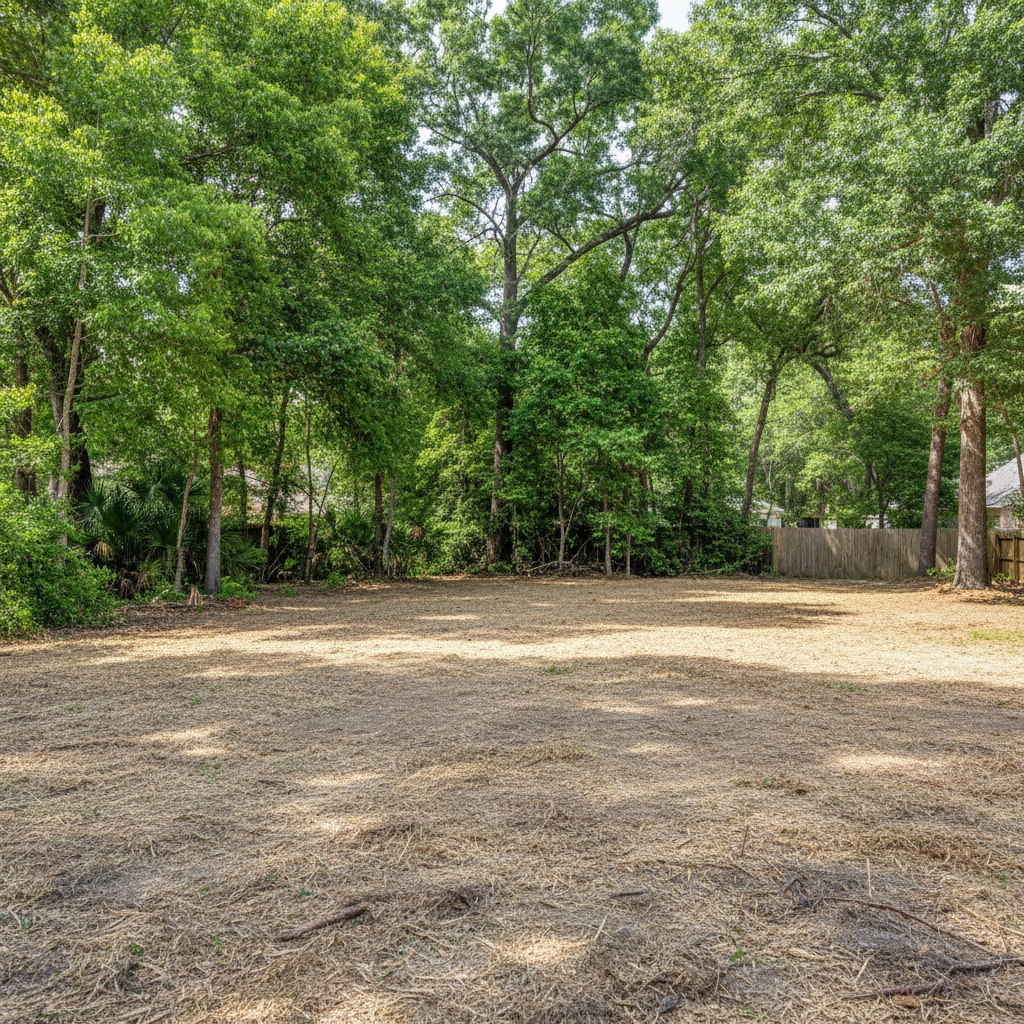
So, you've just had a big piece of land cleared, maybe for a new house, a pasture, or just to get rid of all that brush. It looks fantastic, right? Wide open, clean, ready for whatever you've got cooking. But here's the kicker: nature doesn't just roll over and play dead. Especially not here in Lake Jackson, Texas. That freshly cleared land? It's like a blank canvas, and if you don't stay on top of it, it'll be covered in green again faster than you can say 'sweltering humidity'.
Making Your Land Clearing Last Longer
Think of land clearing as the first big step, not the finish line. To really make that hard work stick, you've got to plan for what happens next. The biggest problem? Regrowth. We're talking about everything from tiny weeds to aggressive little saplings. A lot of folks figure once it's cleared, that's it. Nope. Not around here, friend. Our climate, with all that heat and moisture, is basically a growth factory.
One of the smartest things you can do right after clearing is to get some kind of ground cover down, especially if you're not building right away. This could mean spreading grass seed, or even just laying mulch in certain spots. It really helps choke out new weed growth by blocking sunlight and making them fight for nutrients. If you leave bare dirt, you're pretty much sending an open invitation to every dormant seed in the soil to sprout. Another clever move, if it fits your plans, is to get some animals out there. Goats, for instance, are amazing at keeping brush down, and cows or horses can help manage grass and smaller weeds. Who knew?
What Keeping Up With It Looks Like
Regular maintenance for cleared land isn't brain surgery, but it does demand consistency. You're basically trying to mess with the natural way plants take over. Here's what I'd suggest:
- Mowing: If your land is pretty flat and you've got grass or smaller weeds popping up, regular mowing is your absolute best friend. Don't let things get too tall. Mowing every few weeks, especially during our long growing season, will usually stop most woody plants from getting established.
- Spot Treatment: For those tougher, woody sprouts that your mower just can't handle, you'll need to get a bit more precise. I'm talking about using a brush cutter or even hand tools for individual saplings. You can also use herbicides, but please be careful with those. Always read the label and apply them safely, particularly if you're near water sources or have pets and livestock around.
- Watching for Invasive Species: We've got some real nuisances around here, like Chinese tallow or privet. These things spread like crazy and can quickly take over. Keep a sharp eye out for them and get rid of them as soon as you spot them. The smaller they are, the easier they are to pull out, trust me.
Just remember, the whole point is to keep things from getting out of control. A little bit of work often is way, way easier than having to pay for a huge, expensive clearing job every few years.
Signs You Might Have a Problem
How do you know if your maintenance efforts aren't quite cutting it? Honestly, it's usually pretty obvious. You'll start noticing:
- Quick Regrowth: If you're seeing small trees and thick brush popping up fast, especially in areas that were totally cleared, that's a big red flag.
- One or Two Species Taking Over: If you spot one or two types of aggressive plants, like those annoying tallow trees, starting to dominate big sections, you've definitely got a problem brewing.
- Less Usable Space: The whole reason you clear land is usually to use it. If you can't walk through it easily, or if your planned use (like a garden or pasture) is getting choked out, then your maintenance isn't working.
- Erosion: Sometimes, after clearing, particularly on sloped areas or if the soil is sandy (like it can be closer to the coast), you might see signs of erosion. Bare soil is super vulnerable to our heavy Texas rains. If you notice ruts or a lot of soil moving around, you need to fix it fast, maybe with some ground cover or terracing.
When It's Time to Call a Professional
Look, I'm a big fan of doing things yourself when you can, but there are absolutely times when you need to bring in the pros. Here's when you should probably give someone like All Things Tree Company a ring:
- Overwhelmed by Regrowth: If the brush and saplings are too thick for your mower or brush cutter, or if you're just completely exhausted trying to keep up, it's time. We've got the heavy equipment and the know-how to knock it back down efficiently.
- Large Woody Material: If you've got trees growing back that are bigger than a few inches across, you're past simple maintenance. Those need specialized tools and techniques for safe removal.
- Dangerous Situations: If the regrowth is creating fire hazards, blocking access, or attracting critters you don't want around, don't mess around. Get it handled.
- Specific Land Use Needs: If you're trying to establish a certain kind of pasture, or get ready for construction, and you're not getting the results you need, a professional can offer targeted solutions, including specialized treatments or grading.
- No Time: Maybe you just don't have the hours. Life gets busy, and sometimes hiring it out is the smartest, most cost-effective choice in the long run.
Keeping your cleared land clear is an ongoing commitment, especially with Lake Jackson's climate. Stay watchful, do the regular work, and don't hesitate to call for help when you need it. It'll save you a whole lot of headache and money down the road, believe me.